 Crossings TV Asian Television – Home to Asian Americans
By: Emi Osaki, Community Arts Project Manager at the Japanese American Culture & Community Center

Growing up a second generation Asian American in the restaurant industry, I learned early on that food is more than fuel—it’s culture, care and connection. This perspective guides my work in Little Tokyo, where cultural celebration and environmental stewardship intersect to create meaningful opportunities for community self-determination.
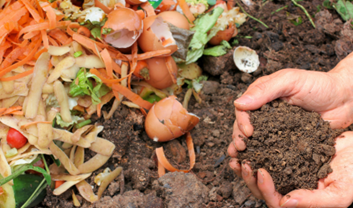
At the Japanese American Cultural & Community Center (JACCC) in Los Angeles, the Little Tokyo Compost Bin program has diverted over 4,000 pounds of food scraps from landfills. This community-led effort in partnership with LA Compost and Sustainable Little Tokyo turns everyday kitchen scraps into nutrient-rich soil, all while honoring the Japanese concept of mottainai—expressing the intrinsic value of resources by avoiding waste. By bringing together neighbors, businesses, and local organizations to put mottainai into practice, we divert waste from going to the landfill and give it new life by transforming it into a valuable resource that feeds our gardens and strengthens our community.
This work feels especially important as we celebrate Earth Day. Environmental stewardship is a shared responsibility that begins with small, everyday habits that build toward larger transformation. A good place to start is by simply sorting our waste correctly. Many of the items we throw away, like empty cans and bottles, food scraps, napkins and pizza boxes can actually be recycled or composted. One small, consistent change helps achieve environmental progress towards zero waste. That benefits everyone: our community, our environment, and the generations who will inherit both.
If you’re not sure where to start, here’s a simple breakdown of how to correctly sort your waste into the organics, recycling or landfill bins. Each community manages recycling a bit differently, so looking up the recycling rules for your city or county is a great first step. As a general rule:
- The Organics Bin, or green bin, is for anything that once lived. This includes:
- Food scraps such as spoiled food items, plate scrapings, and fruit and vegetable peelsYard waste such as grass clippings, leaves, twigs, shrubbery, and weeds
- Food contaminated paper such as unlined paper plates, pizza boxes, non-plastic egg cartons and coffee filters
- The Recycling Bin, or blue bin, is ideal for empty and dry plastic, glass, metal and paper products, including:
- Unlined paper items such as cereal and cardboard boxes, loose paper and mail, and toilet paper rollsEmpty glass or metal containers such as sauce bottles and soup cans
- Plastic packaging accepted by your city or county, such as milk jugs, clear egg cartons, takeout boxes, and shampoo bottles
- The Landfill Bin is for any item that isn’t recyclable or compostable, such as broken toys, toothpaste tubes, foamed plastic, plastic film/bags, and pet waste. Household hazardous waste items like batteries, e-waste, used oil, paint, and expired medicine/sharps should not go into the trash but instead to a collection site near your home.
Taking your CRV beverage containers to a nearby recycling redemption site is another small action you can take—and it pays in cash! CRV-labeled beverage containers sold in aluminum, glass, plastic or bimetal are eligible for cash back, ranging from 5 to 10 cents per container depending on the size. Wine and distilled spirits containers are also redeemable, including bag-in-box, pouches and cartons, which are redeemable for 25 cents. These new additions make CRV redemption even more profitable. Sorting waste, composting, recycling—these small habits can help California move from a throwaway culture to a circular economy where resources are used, not lost. Let’s keep taking these steps together, apply mottainai into our daily habits, and build a healthier community and planet. Learn more at RecyclingReimaginedCA.com.
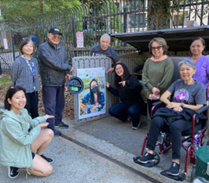
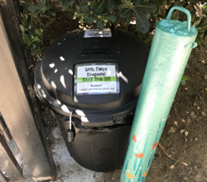
Little Tokyo’s Community-Led Compost Bin Program teaches mottainai and environmental stewardship, fostering respect for the Earth, your community, yourself, and others by turning everyday kitchen scraps into nutrient-rich soil.