 Crossings TV Asian Television – Home to Asian Americans
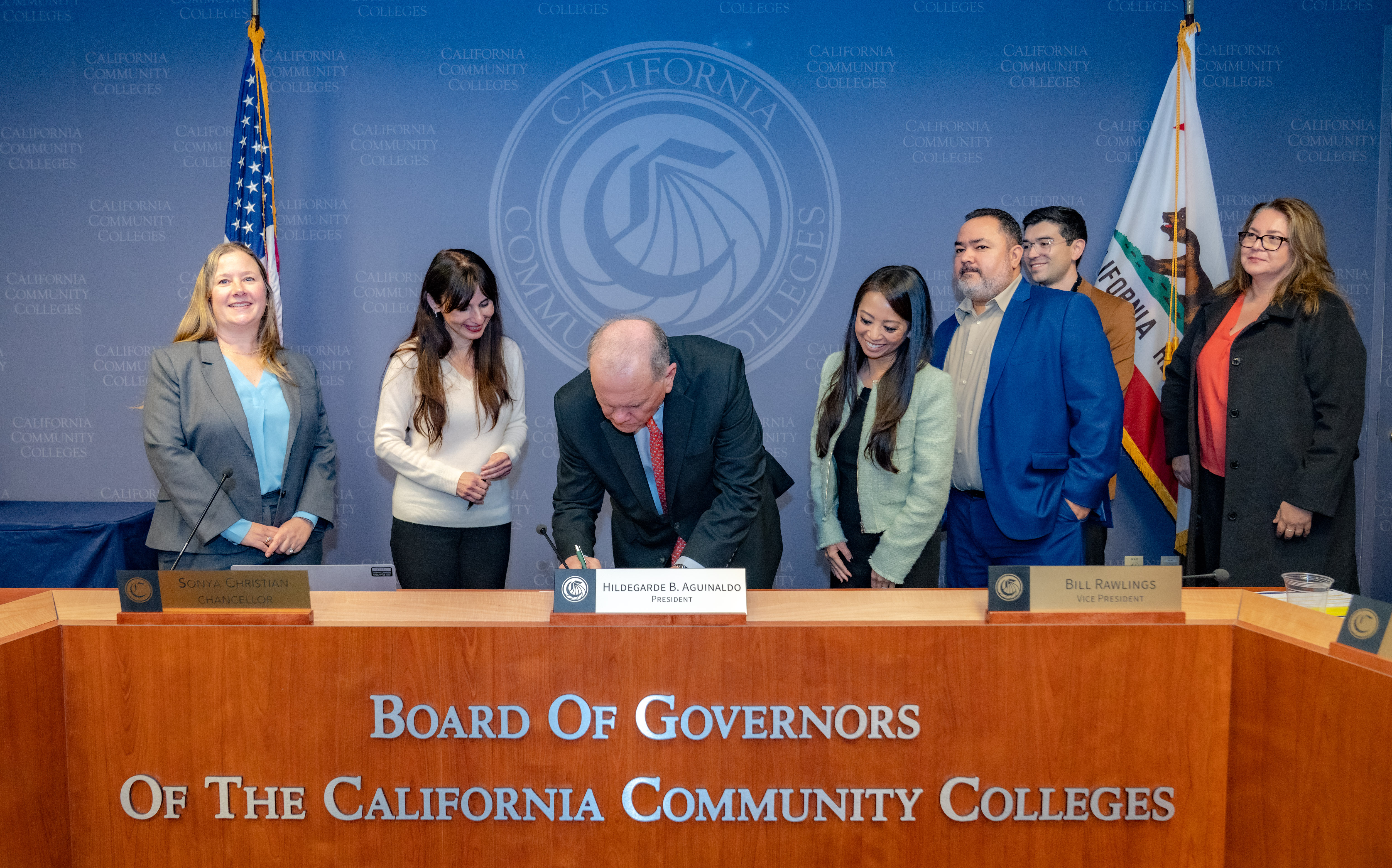
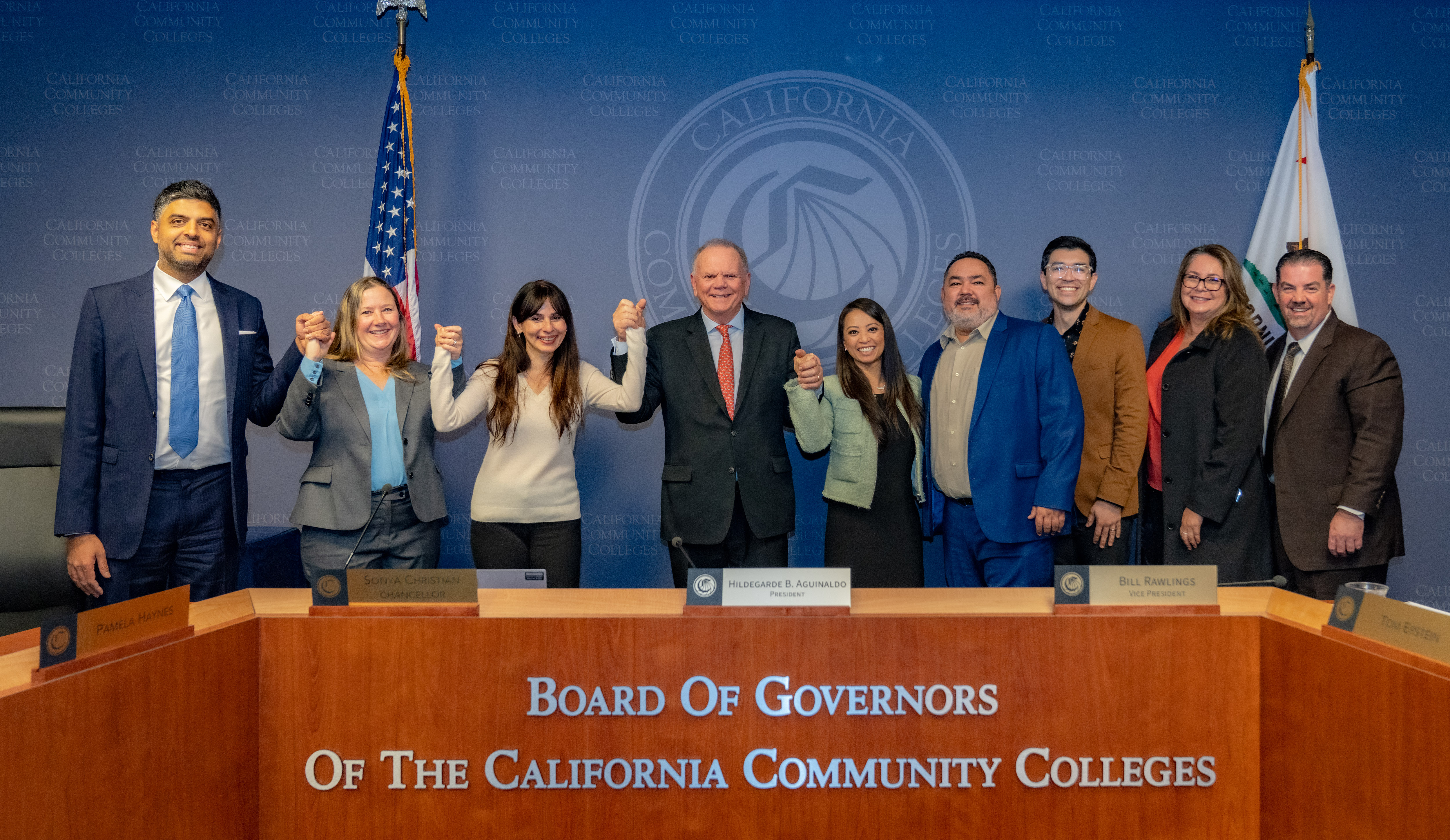
The California Community Colleges Chancellor’s Office and AltaSea at the Port of Los Angeles (AltaSea) have entered into a Memorandum of Understanding (MOU) to collaborate on advancing climate action, sustainability, and workforce development opportunities within California’s growing ‘blue economy.’ The blue economy encompasses sustainable economic activities that rely on oceans, coasts, and waterways to drive innovation, climate solutions, and job creation while protecting marine ecosystems for future generations.
Through this new agreement, California community colleges and AltaSea will work to expand awareness, education, and career pathways connected to clean renewable energy, port decarbonization, regenerative aquaculture, marine carbon removal, and other emerging sectors critical to California’s climate and economic future.
In January 2025, the Board of Governors of the California Community Colleges updated the Climate Action and Sustainability Framework, which is part of the system’s strategic plan, Vision 2030. The update included setting eight systemwide goals for all 73 districts to measure progress toward 2025, 2030, and 2035 milestones – California’s target year for achieving a 100% reduction in greenhouse gas emissions below baseline levels.
“California community colleges play a transformative role in preparing students and upskilling working Californians for careers in cutting-edge industries. This work is central to Vision 2030. That’s why I’m so excited about our long-term partnership with the Port of Los Angeles and, more recently, with AltaSea. Together, our colleges are helping create curriculum and workforce pathways aligned with the emerging green technologies and new economies taking shape at AltaSea and across the Port of LA. What makes this work especially powerful is that our faculty are at the table where Research and Development is happening, working alongside innovators and entrepreneurs who are focused on climate-friendly solutions that drive economic growth,” said California Community Colleges Chancellor Sonya Christian.
The partners intend to coordinate statewide, national, and international efforts related to the sustainable blue economy, including AltaSea’s Deep Blue Decade Initiative, which connects global networks focused on ocean-based climate innovation. Planned areas of collaboration include joint communications and convenings, research and education-to-employment pipelines, workforce development opportunities such as internships, and learning exchanges for students, faculty, and administrators.
“Adapting to climate change and meeting the state’s climate goals demands collaboration across education, industry, and government,” said Terry Tamminen, chief executive officer of AltaSea and former secretary of the California EPA. “By working with the California Community Colleges, we can scale practical climate solutions while creating inclusive education to employment pathways across California and globally.”
California’s workforce leadership underscored the importance of linking climate action with job creation.
“California’s blue economy is creating new opportunities for business growth by modernizing ports through electrification, advancing ocean technology, and driving innovation across our food systems,” said Dee Dee Myers, senior advisor to Gov. Newsom and director of the Governor’s Office of Business and Economic Development. “These next-generation sectors are attracting private investment and public infrastructure funding, fueling California startups, supporting good-paying jobs, and strengthening the state’s global leadership in trade and logistics, which is why partnerships like this one are so critical to our success.”
“California’s climate goals and economic goals go hand in hand,” said Stewart Knox, secretary, California Labor and Workforce Development Agency. “Partnerships like this one ensure that workers and students are equipped with the skills needed for the clean energy and blue economy jobs that are already transforming our ports and communities. This is exactly the kind of cross-sector collaboration required to build a just, inclusive, and future-ready workforce.”
Port leadership emphasized the role of ports as engines of innovation and decarbonization.
“Ports are where climate innovation meets real-world application,” said Port of Los Angeles Executive Director Gene Seroka. “This partnership links education and workforce development with the technologies and solutions being deployed at our port, helping California reduce emissions while preparing workers for the next generation of blue-economy jobs.”
Partnerships like this one are vital to the California Community Colleges’ Vision 2030 which prioritizes skill building for jobs in high quality, climate-resilient careers. The system serves the largest and most diverse student body in California higher education, making community colleges pivotal in developing the state’s workforce while strengthening its society and economy. You can read the full MOU on the Chancellor’s Office website.