 Crossings TV Asian Television – Home to Asian Americans

Greetings,
As spring arrives, bringing fresh energy and renewal, we warmly welcome you to this season’s issue of the Crossings TV newsletter.
To kick off this reading journey, we first explore the power of broadcast TV. Then, dive into fresh insights on Asian American consumers’ perspectives on diversity to help shape your marketing strategy for the next quarter. Before you leave, don’t forget—AANHPI Heritage Month is coming in May! Celebrate with us and put your knowledge to the test with a fun quiz.
The Power of Broadcast TV
A study conducted by the Television Bureau of Advertising (TVB) found that TV had the highest reach out of all the media platforms. Over 20 platforms in traditional and digital media were analyzed in the study.
BROADCAST TV
More time is spent with broadcast TV across all devices than with cable and streaming programs. Most people may think broadcast TV can only be viewed on a TV set, however, the adults surveyed in this study spent half an hour each day viewing broadcast TV content on their computers, smartphones, and tablets.
Linear TV represents 70% of the viewing time. If someone uses streaming services on a TV set, they can also be reached by broadcast TV.
TV ADS
Television ads can motivate viewers to do further research online. When someone sees an ad, they may not be familiar with the brand. However, if the ad is effective and memorable, people will seek out more information about the product or brand.
TV is the most popular platform for Asian Americans to learn about new products and services.
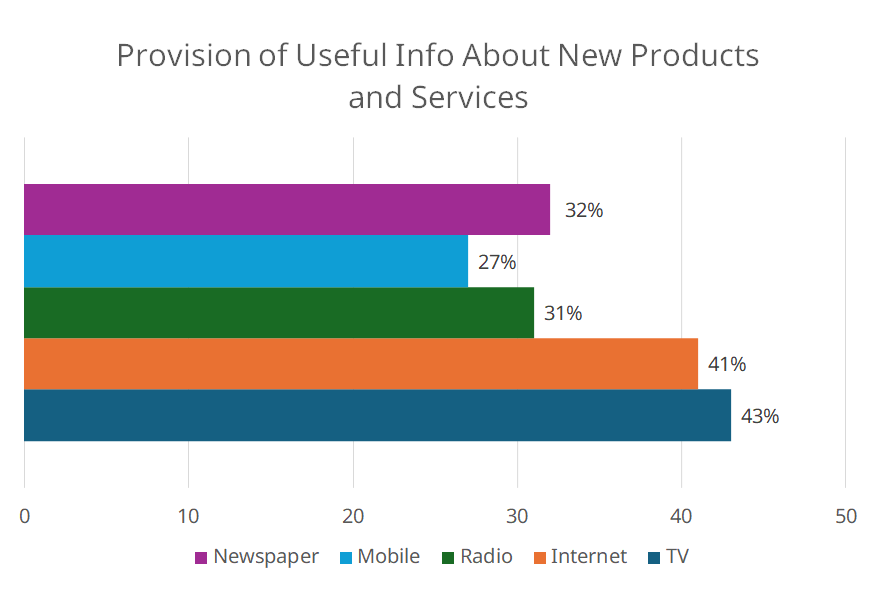
Source: Nielsen, Connectivity Drives the Asian American Consumer Journey
NEWS
Most people watch broadcast TV for local news and it is the most trusted platform. One reason people trust local news is due to the connection they have to their communities. Viewers are able to stay updated with news that they feel is relevant to them.
LIVE SPORTS
Live sports also encourages viewers to watch more broadcast TV. This year, 127.7 million viewers watched FOX’s broadcast of Super Bowl LIX. Whether it’s football or basketball, many viewers tune in each week to watch their favorite team play.
POLITICAL
A case study done by Effectv revealed that political candidates who won, complemented their digital strategy with a linear TV campaign.
During the 2020 Elections, winning candidates spent 35% more on cable than their opponents.
Voters over 60 years old have the highest turnout rates in elections. Older adults are more likely to watch live TV than use streaming services.
Source: Broadcast TV: Still Tops for Reach and Time Spent, The Gauge™: FOX’s Successful Cross-Platform Super Bowl Strategy Drives A Huge Day in Television Viewing Nielsen, Cable TV Ads Impact Election Outcomes Effectv.
The Importance of Diversity to Asian American Consumers
- 48% of Asian American consumers say it has a positive impact on their buying decisions when a company has internal diversity and equity initiatives.
- 34% of Asian consumers say they would not support a company that eliminates their DEI efforts (compared to 30% of consumers in general).
- 77% of consumers indicated they would immediately stop purchasing/using a brand that does not align with the social causes they support.
As many brands roll back their DEI programs, many Asian American consumers are being more mindful of the companies they are supporting.
DEI

REPRESENTATION
- Two-thirds of Asian Americans value diverse content and prefer ads that portray diversity.
- 67% of Asian Americans with an internet-connected TV stated they pay more attention to ads that accurately portray diverse groups of people.
- 64% of AAPI people will stop buying from brands that devalue their identity group.
- Over half of Chinese, Korean, and Vietnamese Americans prefer to buy brands that advertise in their language.
- 45% of Asian Americans say it is important for brands/advertisers to advertise in Asian media.
- 3 out of 10 Asian Americans say they are more likely to consider brands that advertise on Asian media.
ETHNIC MEDIA ADVERTISING
Asian consumers believe diversity is important on screen and behind the scenes. Brands that understand the importance of diversity are more likely to capture the attention of Asian American consumers.
Source: FOCUS Asian Volume 3: Social, Cultural, and Political Shifts 2024 Horowitz Research, The Inclusive Screen: Asian Americans LG Ad Solutions, ANA’s Alliance for Inclusive and Multicultural Marketing
QUIZ: AANHPI Heritage Month
1. Which president signed a proclamation that designated May 4th as the start of “Asian/Pacific American Heritage Week?”
(a) George Bush
(b) Jimmy Carter
(c) Barack Obama
2. The total Asian population in the United States is approximately:
(a) 24 million
(b) 10 million
(c) 15 million
3. Which of the following is the largest Asian ethnic group in the United States?
(a) Indian
(b) Filipino
(c) Chinese
*Find answers at the bottom of this newsletter
New Arrivals!
AANHPI Heritage Month Special
Hosted by Sumi X of The Slants Foundation, Asian PaCIVICS Season 2 is an engaging television series that taps into the power of music to drive civic engagement and public policy change for AAPI communities across the country. Each new episode will air on Sunday, starting April 27th.

Reach out to your account executive or reply directly to this email to learn more about exclusive sponsorship opportunities.

The Music Project
Mandarin Variety
10PM-11:30PM Tuesday
9PM-10:30PM Sunday
(Airing)

Skate Into Love
Mandarin Drama
Monday-Friday
9PM-10PM
(Airing)

Maybe You Are In Love
Mandarin Variety
Tuesday & Saturday
5PM
(Airing)
Gujiya (Sweet Fried Pastry)
Gujiya is an Indian dessert enjoyed during Holi. The inside is filled with khoya (evaporated milk solids) and dried fruits. The dessert symbolizes the joy and abundance of the spring season.
Get the recipe here.